
Is There a “Matriarchal” City in America?
The short answer is no—but the longer answer is far more interesting.
The idea of a “matriarchal city” sparks curiosity. We often hear about patriarchal societies throughout history, but what would the opposite look like? Does any American city truly fit that description?
The short answer is no—but the longer answer is far more interesting.
What Does “Matriarchal” Actually Mean?
Anthropologists use the term matriarchal very specifically. A true matriarchal society is one in which women hold primary political authority, family lineage passes through the mother’s line, and women exercise dominant influence over major social institutions.
By that definition, no major city in the United States is matriarchal.
However, many American cities have developed cultures where women play exceptionally prominent roles in business, education, politics, and community leadership. While these places are better described as highly egalitarian or women-led in certain respects, they often inspire the perception of being “matriarchal.”

Minneapolis: A Model of Women’s Leadership
Often ranks among the best U.S. cities for women’s economic opportunity. It has:
High rates of women in leadership.
Strong support for working mothers.
A progressive political culture.
A history of electing women to prominent offices.
Minneapolis consistently ranks among the best places in America for women to build careers and families. Women occupy leadership positions across business, healthcare, education, and local government at higher-than-average rates.
The city also benefits from strong support systems, including robust childcare resources, educational opportunities, and workplace policies that encourage professional advancement.
Rather than creating female dominance, Minneapolis demonstrates how broad participation in leadership can strengthen an entire community.

Seattle: Where Education and Opportunity Converge
Known for:
High female educational attainment.
Many women in STEM and technology.
Strong advocacy for gender equality.
A culture that generally embraces shared domestic and professional roles.
Seattle has cultivated an environment where highly educated women thrive. The city’s technology sector, research institutions, and entrepreneurial culture have opened significant opportunities for women in traditionally male-dominated industries.
While challenges remain—as they do everywhere—Seattle illustrates how economic opportunity and education can shift traditional gender expectations without creating an imbalance of power.
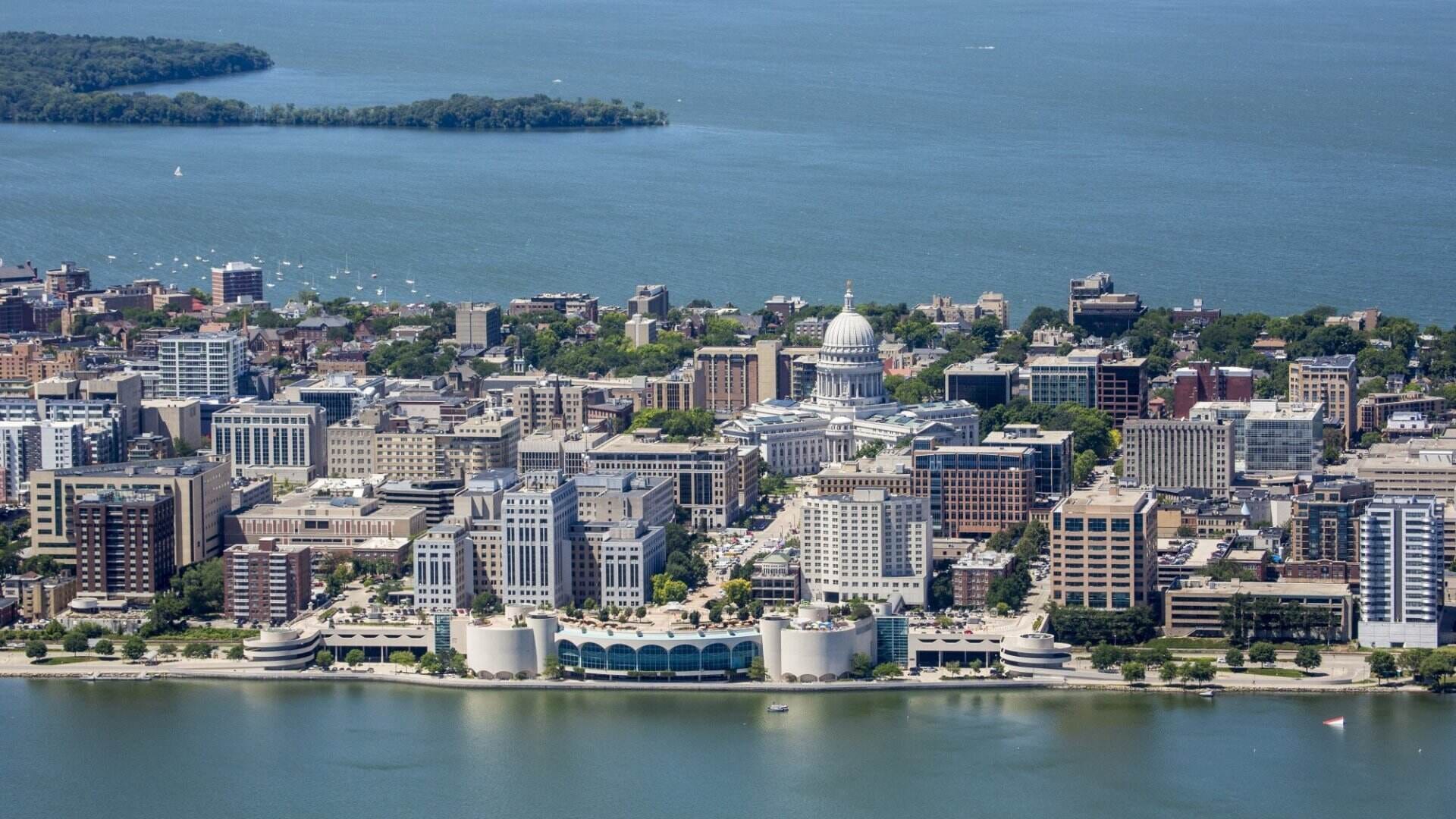
Madison: Civic Engagement at Its Best
A city with:
High levels of female civic engagement.
Strong representation of women in academia and government.
Progressive family and workplace policies.
Madison stands out because of its remarkable levels of civic participation. Women are deeply involved in public service, academia, nonprofit organizations, and local government.
This combination creates a culture where women’s voices are highly visible in public decision-making and community development.

Portland: Redefining Traditional Roles
Often associated with:
Progressive gender norms.
Women-owned businesses.
Active feminist organizations.
A relatively egalitarian social culture.
Portland has earned a reputation for embracing alternative social norms and encouraging women-owned businesses, grassroots activism, and collaborative leadership.
Its culture often values cooperation over hierarchy, making it an appealing environment for people seeking more flexible approaches to work, family, and community life.

Berkeley: A Legacy of Feminist Thought
Historically significant for:
Feminist activism.
Women’s studies and academic leadership.
Progressive attitudes toward gender roles.
Berkeley’s influence extends well beyond city limits. For decades, it has been a center of feminist scholarship, social activism, and intellectual debate about gender equality.
Universities, advocacy organizations, and community initiatives have helped shape national conversations about women’s rights and leadership.
Beyond Labels
Calling these cities “matriarchal” may be tempting, but it oversimplifies what makes them distinctive. None are governed by women alone, nor do they place men in subordinate roles.
Instead, they demonstrate something arguably more valuable: environments where women have greater access to education, leadership, entrepreneurship, and political participation than the national average.
These cities suggest that thriving communities are not built by replacing one dominant group with another. They flourish when talent, leadership, and opportunity are distributed broadly enough for everyone to contribute.
The Bigger Question
Perhaps the more meaningful question isn’t whether America has a matriarchal city. Instead, it’s worth asking what communities look like when women have genuine opportunities to lead alongside men.
The cities highlighted here offer compelling examples. They show that expanding women’s influence does not require diminishing anyone else’s role. Rather, it creates communities where leadership is more representative, innovation is encouraged, and diverse perspectives help shape the future.
In that sense, America’s closest equivalents to “matriarchal” cities are not places where women rule—they are places where women’s leadership is visible, valued, and woven into the fabric of everyday life.